About the Project
The Data Management and Processing Initiative is a comprehensive project focused on enhancing data handling, integration, and analysis across multiple sectors. This project seeks to improve the overall quality and efficiency of data management systems to support better decision-making, improve accessibility, and streamline the use of data in a wide range of applications.
Project Objectives
The primary goal of this project is to implement best practices in data management across all stages, from collection and cleaning to storage, analysis, and reporting. The objectives of this project include:
- Establishing effective data management protocols that ensure data is accurate, reliable, and easily accessible.
-
Automating data processes to increase efficiency and reduce errors.
-
Ensuring data compliance and security, meeting all regulatory and organizational standards.
-
Enhancing data reporting and visualization to make information easier to understand and actionable for stakeholders.
Scope of Work
The project encompasses several key areas of data management, including:
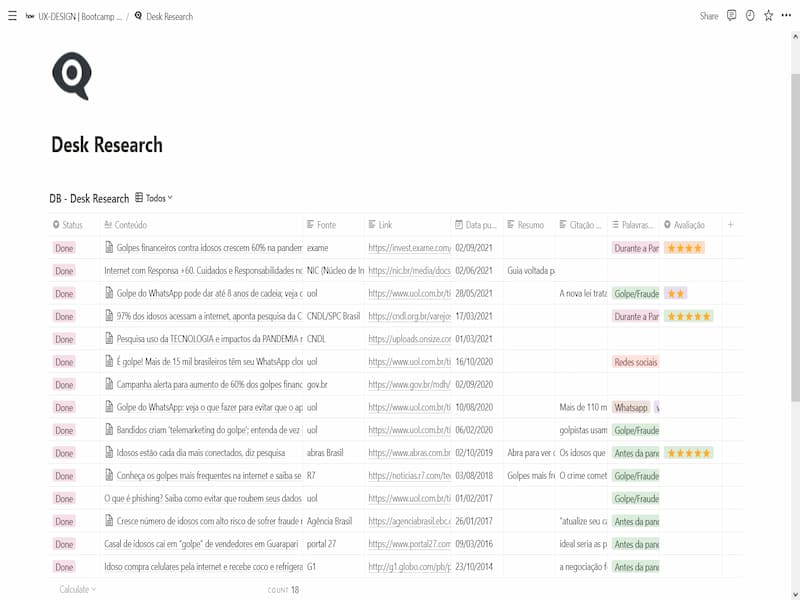
- Data Collection and Cleaning : Gathering data from diverse sources, followed by cleaning and transforming the data to ensure accuracy, completeness, and consistency.
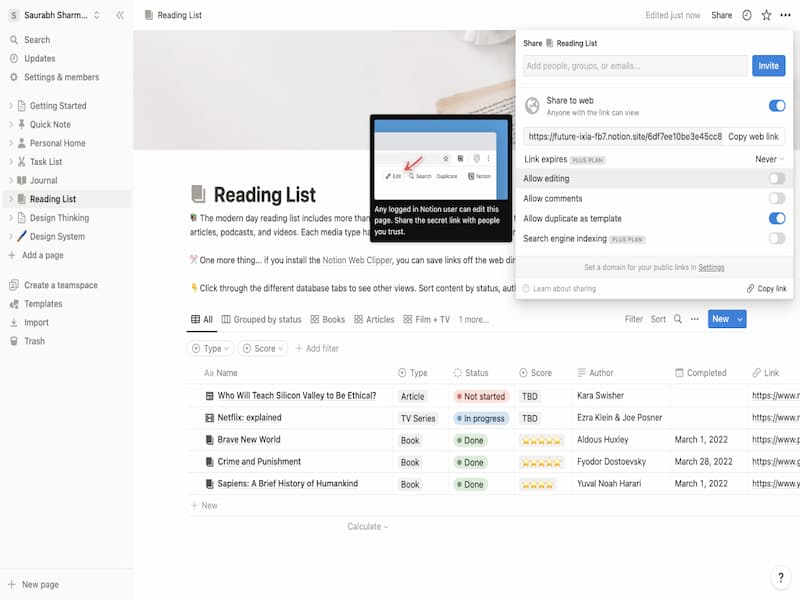
- Data Integration and Storage : Establishing a unified data storage system to integrate data from various sources, ensuring it is well-organized, secure, and easily accessible for further processing and analysis.
-
Data Processing and Analysis : Implementing advanced data processing techniques to analyze large datasets, identify patterns, and derive actionable insights that inform organizational decisions.
-
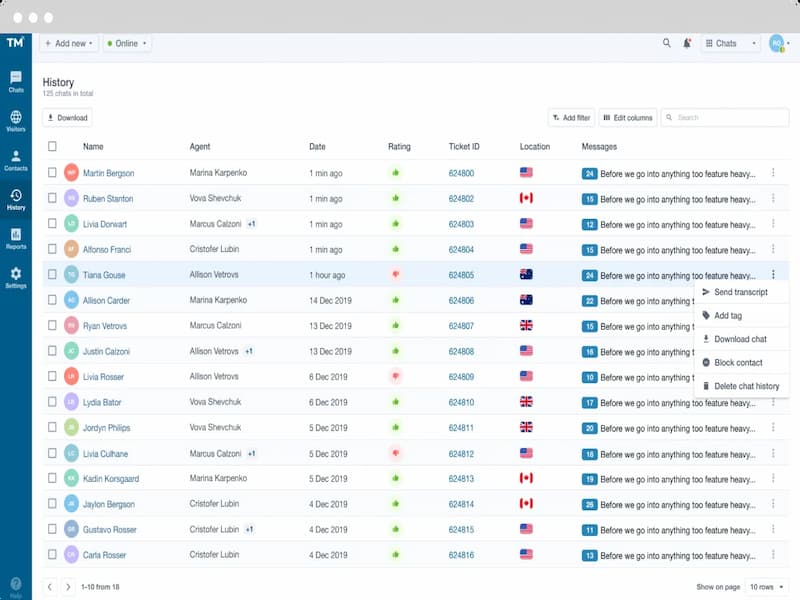
Data Visualization and Reporting : Designing dashboards, visualizations, and reports that communicate complex data in a simple and understandable format for all stakeholders.
Expected Impact
Through the successful execution of this project, several outcomes are anticipated:
- Enhanced Data Quality : By implementing thorough data cleaning and validation processes, the data will be more reliable and useful for decision-making purposes.
- Increased Efficiency : Automating data management tasks will streamline operations, reduce the potential for human error, and enable faster processing and analysis.
-
Improved Decision-Making : With more accessible and accurate data, stakeholders will be able to make better-informed decisions based on reliable information.
-
Greater Stakeholder Engagement : By making data visual and easily understandable, stakeholders will be more engaged in data-driven processes, helping improve collaboration and decision-making across teams.